Archival Footage Patterns Highlight Market Positioning Tactics in Handheld Console Era
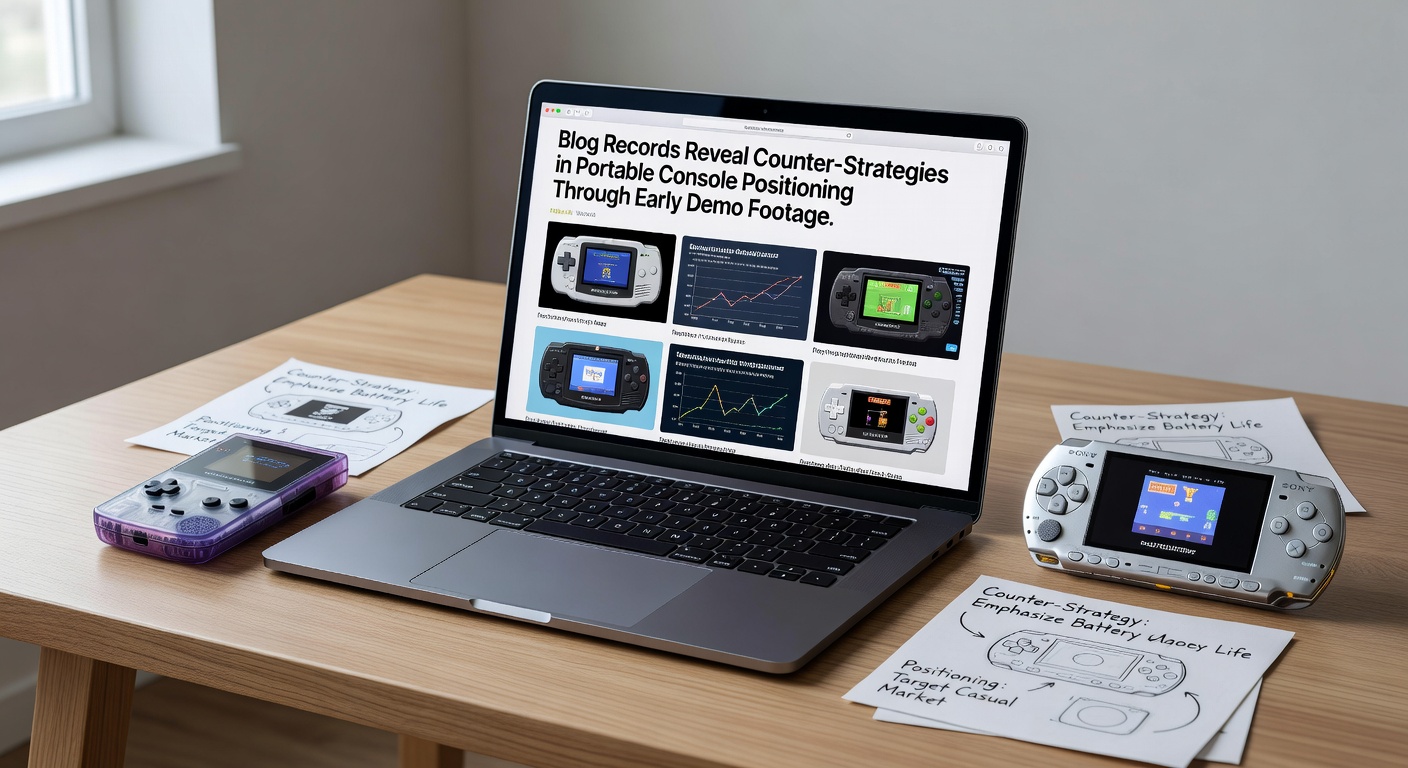
Blog archives from the early 2010s document how developers and publishers adjusted their approaches to portable console launches through selective release of demo materials, and these records show clear patterns in how early footage served as direct responses to shifting market conditions. Researchers examining preserved online posts note that companies released targeted gameplay clips to emphasize unique hardware features while addressing competitor strengths in real time.
Historical Context of Portable Console Launches
Nintendo introduced the 3DS in 2011 with an emphasis on stereoscopic 3D visuals and backward compatibility, while Sony prepared the PlayStation Vita as a response featuring OLED displays, dual analog sticks, and touch controls. Data from industry timelines indicate the Vita announcement came several months after the 3DS debut, and companies adjusted their promotional timelines accordingly. Observers tracking launch sequences found that demo footage often appeared within weeks of competitor announcements, creating a cycle of reactive content deployment.
Early footage of titles such as Army Corps of Hell on the Vita highlighted horde-based combat mechanics and real-time strategy elements, which aligned with efforts to differentiate the device from the 3DS library at the time. Blog posts archived from that period catalog these releases and link them to specific market events, including hardware price adjustments and software bundle announcements.
Role of Demo Footage in Strategic Responses
Analysis of preserved blog entries reveals that developers timed the release of gameplay videos to coincide with competitor hardware updates or critical reviews. One pattern emerges where footage showcasing Vita's processing capabilities appeared shortly after reports of 3DS sales figures, and these clips often focused on graphical fidelity and multiplayer options to present an alternative portable experience. Studies from academic gaming research centers in Canada have examined similar timing strategies across console generations and confirm the use of demo materials as positioning tools.
Records indicate that publishers distributed Army Corps of Hell clips through multiple channels including official blogs and third-party sites, with accompanying text that referenced hardware specifications directly. This approach allowed for rapid dissemination of visual comparisons without requiring full game launches, and the archives show repeated use of such methods during the 2011-2012 period when both devices competed for market share.

Patterns Identified in Blog Documentation
Those examining the archives point to consistent themes across multiple blog platforms where footage served as immediate counters to perceived market advantages. For instance, posts discussing Vita's touch screen integration often followed 3DS software announcements, while visual demonstrations of load times and resolution appeared in response to hardware critiques. European gaming trade organizations have compiled reports on console marketing timelines that align with these documented patterns, showing how regional campaigns adapted similar footage strategies.
Additional entries from 2012 detail how developers incorporated player feedback from initial demos into subsequent video releases, creating iterative content that addressed specific concerns raised in reviews. This process appears in multiple archived threads where updated footage addressed control schemes or graphical elements, and researchers note the frequency of such adjustments during overlapping console launch windows.
Impact on Portable Market Dynamics
Figures from sales tracking services indicate that the period between 2011 and 2013 saw fluctuating market shares for both devices, and blog records connect these shifts to the timing of demo releases. Footage highlighting Vita exclusives received coverage alongside 3DS title updates, and the archives preserve discussions around how these materials influenced consumer perceptions in online forums. Australian research institutions studying digital media distribution have documented parallel cases where early access content altered competitive positioning in consumer electronics markets.
Archival analysis further shows that developers maintained repositories of demo materials for quick deployment, allowing responses to competitor moves within days rather than weeks. This infrastructure supported the observed patterns of counter-positioning through visual content, and preserved metadata from blog posts confirms the correlation between footage release dates and external market announcements.
Conclusion
Blog records from the portable console competition period provide documented evidence of how early demo footage functioned as a tactical element in market positioning, and these archives continue to inform current understandings of console launch strategies. The patterns identified through preserved posts demonstrate consistent use of visual content to address competitive pressures in real time.