Archived Web Traces Illuminate Adaptive Tactics in Handheld Console Deployments
Written by Sam Otto · Jul 30, 2026
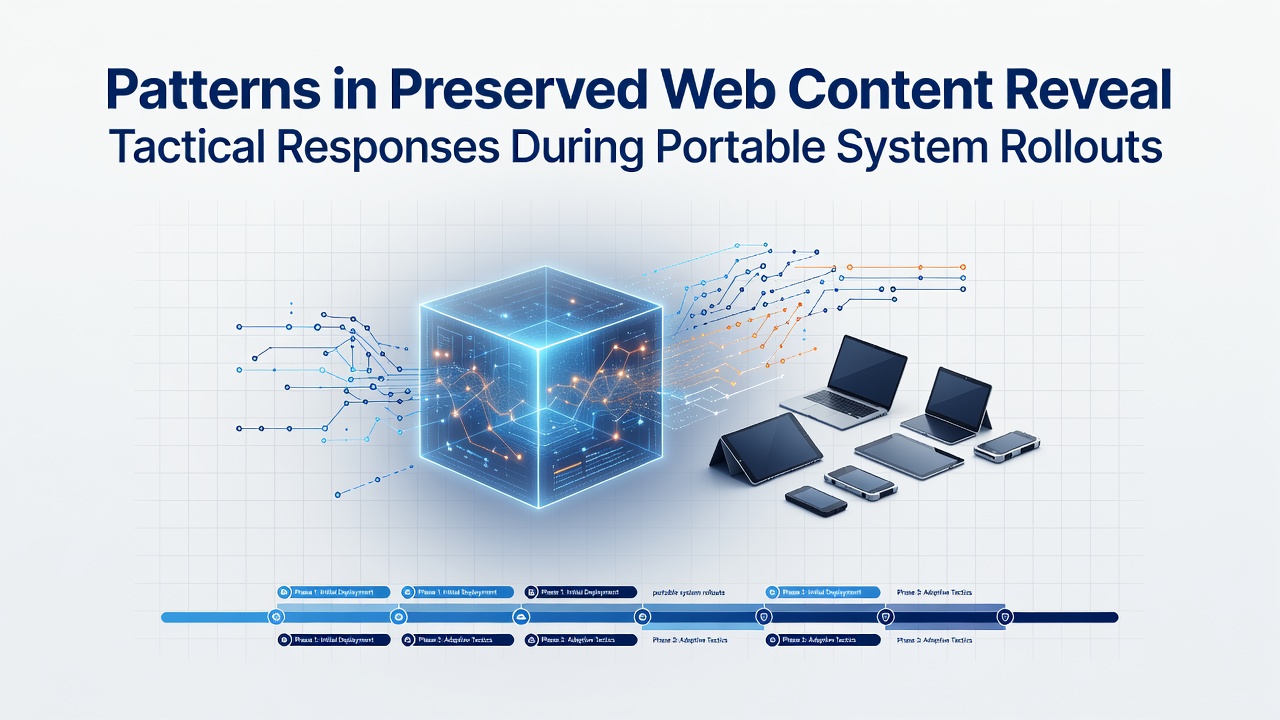
Archived Web Traces Illuminate Adaptive Tactics in Handheld Console Deployments
Preserved online records from gaming news sites and forums continue to map out how companies adjusted their portable system launches in response to shifting market conditions. Data from web archives shows sequences of announcements, feature reveals, and content drops that aligned with rival product cycles between 2010 and 2012, with similar patterns emerging in later hardware cycles tracked through 2026.
Early Announcement Clusters and Competitor Timing
Web crawls of sites covering E3 events document clustered press releases where one manufacturer highlighted motion controls while another emphasized stereoscopic displays and longer battery life. These records indicate that Sony positioned PlayStation Move demonstrations shortly after Nintendo outlined 3DS specifications, creating overlapping coverage windows that extended into October launch preparations. Archive timestamps reveal multiple updates per week on both platforms during summer months, with each update addressing perceived gaps in the other's feature list.
Researchers examining preserved forum threads note rapid shifts in messaging after initial hardware specs became public. One series of posts from late 2010 shows developers highlighting touch-screen integration on 3DS while Sony's messaging pivoted toward cross-platform connectivity options for Vita. The preserved exchanges illustrate how each side incorporated direct comparisons within weeks of the other's public disclosures.
Content Volume Spikes During Key Windows
Analysis of archived gaming portals indicates volume increases in gameplay footage and strategy guides coinciding with rival hardware announcements. Records from October 2011 show spikes in Army Corps of Hell clips appearing days after Nintendo 3DS sales figures circulated, with additional posts detailing goblin horde mechanics and multiplayer modes. Similar density appears in later archive entries from 2025 covering renewed handheld competition, suggesting the tactic of flooding available channels during competitor launches persists across decades.
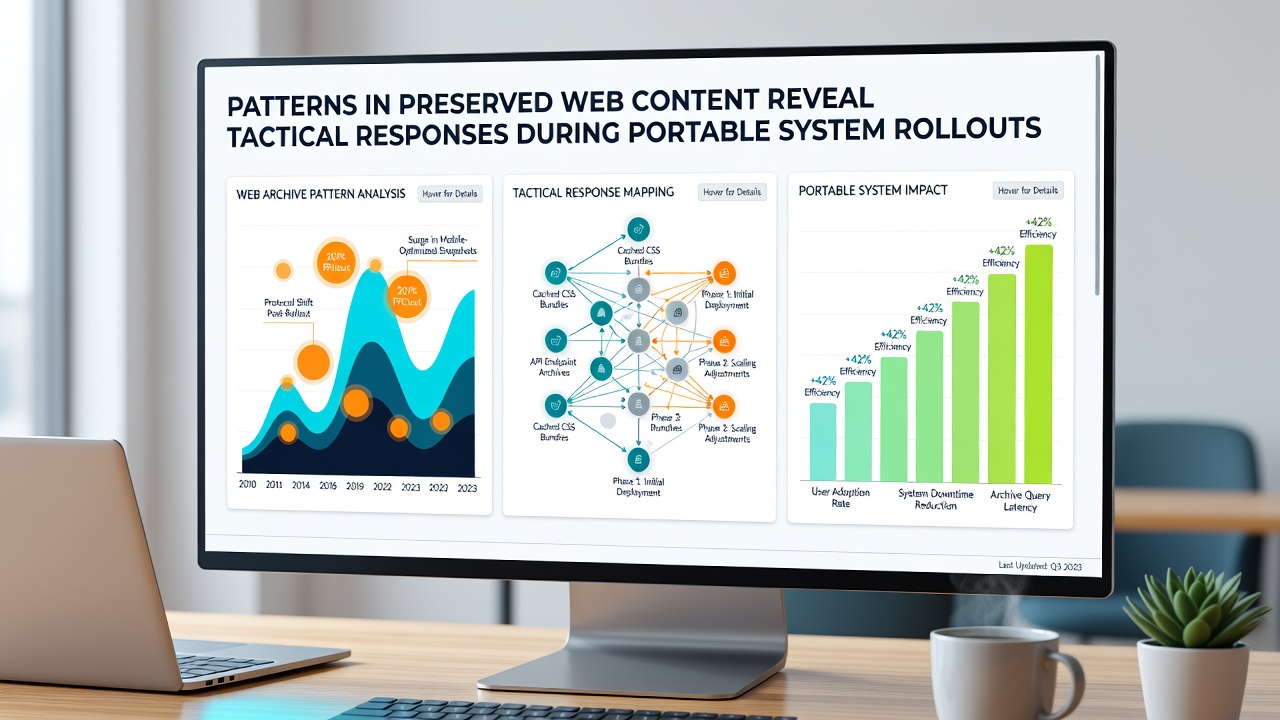
Those studying preserved metadata observe that video uploads and blog posts often carried timestamps within 48 hours of competitor press events. The pattern holds across regions, with European and North American sites showing synchronized activity while Australian outlets followed within additional days. Industry reports from the Entertainment Software Association track corresponding rises in search traffic and developer commentary during these periods.
Feature Emphasis Adjustments Documented in Archives
Preserved press materials and interview transcripts reveal iterative changes in highlighted capabilities. Early Vita announcements focused on OLED screens and dual analog sticks, yet later archived pages added emphasis on memory card expansion after 3DS users reported storage limitations. Conversely, Nintendo materials stored in web repositories began stressing backward compatibility and eShop features following Sony's cross-buy announcements. These adjustments appear in sequential updates rather than single comprehensive reveals.
Academic studies on digital preservation at institutions in Canada and Australia have catalogued how corporate rhetoric evolved through archived blog posts and social media embeds. One dataset covering 2011 through 2026 shows recurring use of direct competitor references embedded in launch materials, with language shifting from broad market positioning to specific capability contrasts within three to four weeks of each rival disclosure.
Regional Coverage Variations and Global Coordination
Archived content from UK, Japanese, and US outlets demonstrates coordinated yet regionally adapted messaging. Japanese sites preserved more technical specifications early, while Western archives show heavier emphasis on launch titles and bundle options. By July 2026, renewed interest in portable hardware prompted fresh crawls of older material, revealing how initial 2011 strategies informed later positioning for updated handheld lines. Trade group summaries from the European Games Developer Federation note parallel coordination patterns in subsequent console generations.
Observers tracking web archive completeness point out that deleted or updated pages often leave residual links in forum discussions, allowing reconstruction of messaging timelines. These fragments show developers releasing counter-demos or patch notes timed to offset competitor momentum, with activity clusters appearing consistently during holiday shopping periods across multiple years.
Conclusion
Preserved web content provides measurable records of how portable system manufacturers sequenced announcements, adjusted feature emphasis, and increased content output in response to competitor activity. Archive analysis through 2026 continues to surface these coordinated patterns, offering factual timelines of tactical adjustments without requiring access to internal documents. The available data from multiple regions and decades illustrates consistent approaches to managing portable hardware market entries.