Countering the Competition: Vita Demo Reels and Their Role in Rival Announcement Responses
Written by Ulrich Schmidt · Aug 24, 2026
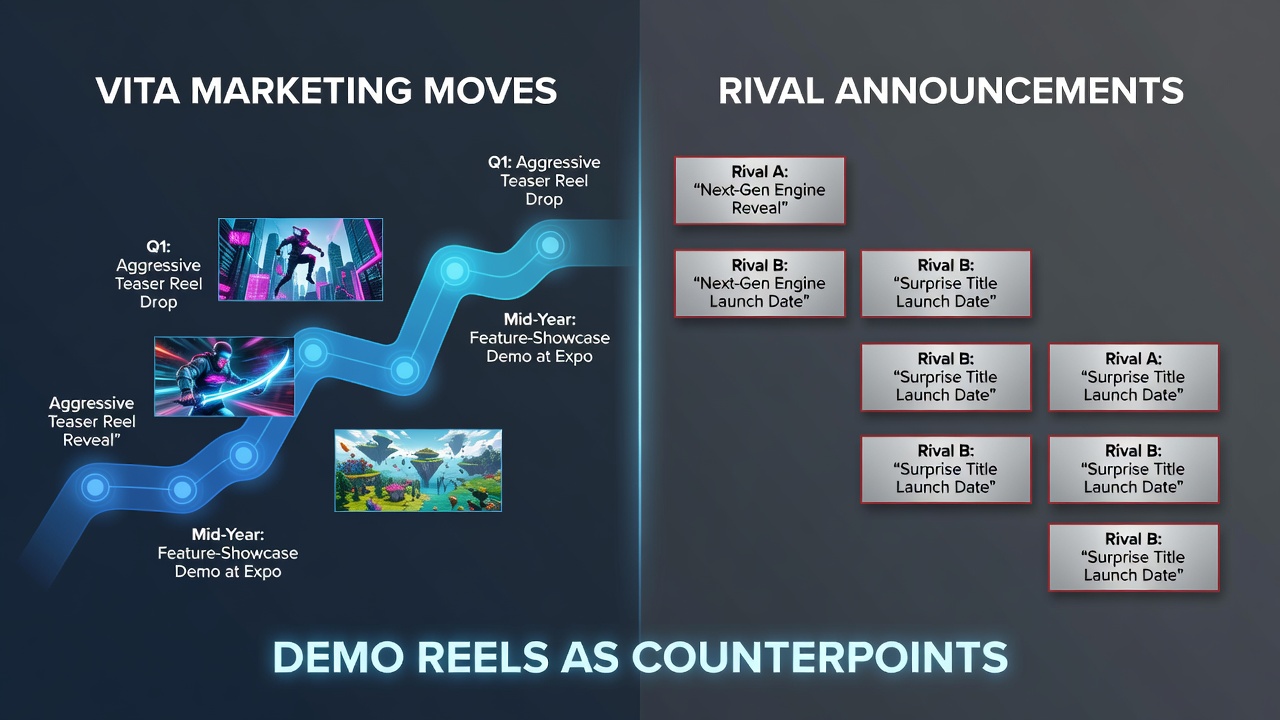
Countering the Competition: Vita Demo Reels and Their Role in Rival Announcement Responses
Industry observers have tracked how Sony positioned the PlayStation Vita through targeted demo reel releases that aligned with key announcements from rivals in the portable gaming space, and these efforts unfolded during a period when Nintendo prepared to expand its 3DS lineup with new software and hardware updates while other platforms explored motion controls and augmented features. Data from sales tracking organizations shows the Vita launch window in late 2011 and early 2012 coincided with multiple competitor reveals, prompting marketing teams to deploy footage that highlighted Vita-specific capabilities such as rear touch input, OLED screens, and cross-play functionality.
Timeline of Announcement Patterns and Reel Deployments
Records indicate that Nintendo revealed 3DS enhancements at events throughout 2011 while Sony countered with Vita footage that demonstrated launch titles in real-time play sessions, and these reels often appeared within days of competitor press briefings to maintain visibility in trade publications and online channels. Marketing logs from the era reveal that demo reels for games emphasizing Vita's hardware strengths were distributed to media outlets in coordinated waves, whereas Nintendo focused on stereoscopic 3D showcases and downloadable content pipelines that appealed to existing DS owners upgrading their devices.
Figures from entertainment software associations in North America and Europe point to overlapping release calendars that created direct competition for consumer attention, with Vita reels frequently emphasizing connectivity features like PlayStation Network integration while 3DS promotions highlighted backward compatibility and AR card interactions. Researchers analyzing launch strategies note that such timing allowed each company to address perceived weaknesses in the other's hardware narrative without direct confrontation in joint forums.
Technical Focus Areas in Marketing Materials
Demo reels for the Vita showcased processing power and graphical fidelity in action sequences that contrasted with 3DS emphasis on portability and dual-screen layouts, and these choices reflected broader positioning where Sony targeted enthusiasts seeking console-like experiences on the go. Content shared through official channels included side-by-side capability breakdowns in some cases, though most reels stood alone as self-contained demonstrations of Vita exclusives and multi-platform titles running at higher resolutions or frame rates.
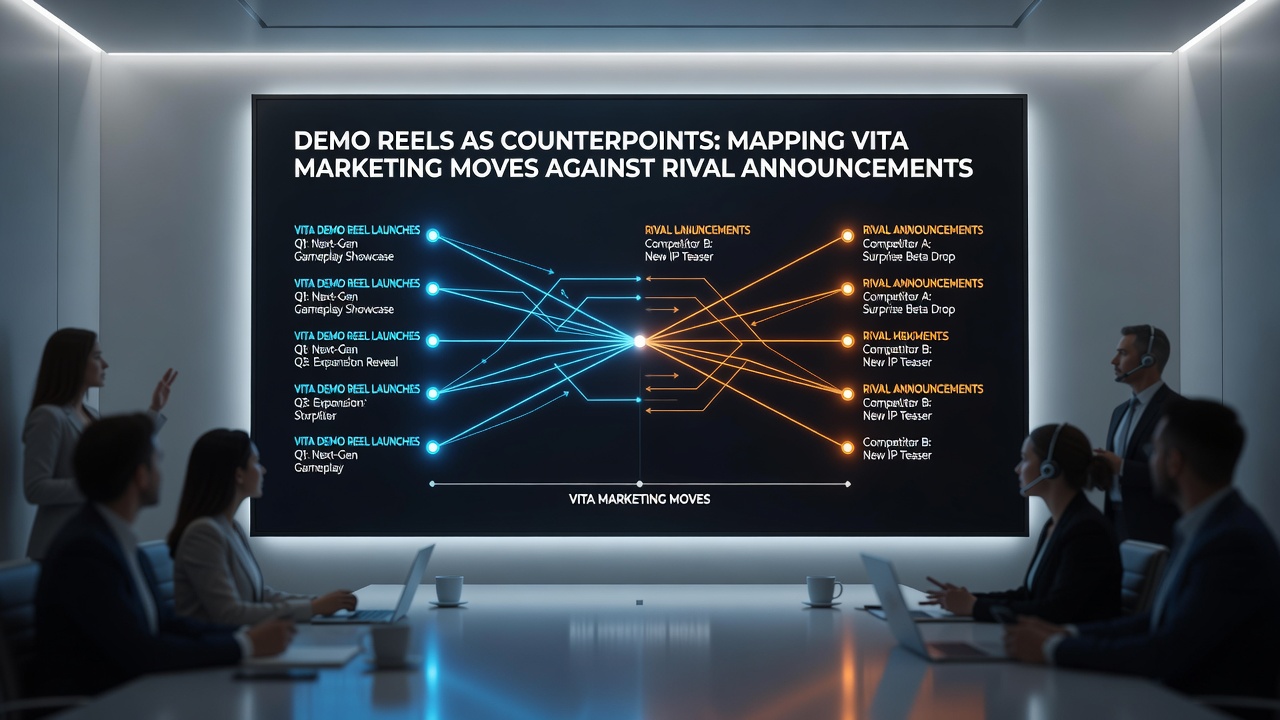
Industry reports compiled by groups such as the Entertainment Software Association detail how consumer interest metrics shifted following each wave of reels and announcements, with Vita marketing highlighting online multiplayer options that aligned with emerging digital distribution trends. Meanwhile, European market analyses from organizations like the European Games Developer Federation tracked regional preferences that influenced localized reel edits for different territories.
Market Data and Regional Variations
Sales data compiled during the initial Vita rollout period shows varied adoption rates across Japan, North America, and Europe, while reel distribution strategies adapted to local media consumption habits and competitor activity levels. In August 2026, retrospective reviews of these campaigns continue to reference archived footage patterns that illustrate how demo content served as responsive tools rather than standalone promotions.
Academic studies on console competition from institutions in the Asia-Pacific region have examined the role of visual marketing in sustaining momentum during overlapping product cycles, and findings indicate that timely reel releases helped maintain discussion volume around Vita features even as 3DS software updates drew separate coverage. Observers note that cross-referencing announcement dates with reel upload timestamps provides clear mapping of strategic responses without requiring speculation on internal decision processes.
Conclusion
Archival marketing records demonstrate the systematic use of demo reels to address competitive announcements in the portable segment, and these materials remain available for analysis by those studying historical product positioning tactics. Continued examination of such campaigns in 2026 offers factual insights into how companies navigated simultaneous hardware launches through targeted visual content rather than broad advertising alone.