Executive Voices and Launch Trailers: How They Molded Early Portable Gaming Market Stories
Written by Ulrich Schmidt · Jul 25, 2026

Executive Voices and Launch Trailers: How They Molded Early Portable Gaming Market Stories
Portable gaming hardware entered a pivotal phase around 2011 when companies released debut footage for new handhelds while top executives offered public assessments of rival products, and these elements combined to influence how consumers and media outlets framed the upcoming competition. Industry observers noted that short video clips showcasing gameplay mechanics often appeared alongside quoted remarks from company leaders, creating paired narratives that traveled quickly through gaming press and online forums.
Data from that period shows trailer views on official channels climbed sharply in the weeks following major trade shows, while commentary from figures such as Sony's Jack Tretton drew separate coverage that referenced those same clips. Researchers tracking media patterns found the combination produced repeated story arcs about hardware strengths and weaknesses even before retail availability began.
Patterns in Trailer Release Timing
Companies coordinated trailer drops with scheduled events where leadership teams spoke, and this approach allowed specific game demonstrations to counter or amplify statements made on stage. One sequence involved footage of action titles running on upcoming hardware appearing days after an executive described competitor devices in comparative terms. Media outlets then published articles that linked the visual evidence directly to the verbal framing, extending the reach of both components.
Records from video platforms indicate that certain portable title trailers accumulated millions of views within the first month, while transcripts of leadership panels circulated in parallel through news aggregators. This dual stream created reference points that later coverage continued to cite when discussing market positioning.
Leadership Commentary as Narrative Anchors
Public statements from executives provided interpretive lenses that audiences applied to the accompanying trailers, and analysts documented how phrases used in interviews resurfaced in forum discussions and review headlines. For instance, descriptions of graphical capabilities or gameplay innovation in one company's announcement often prompted immediate comparison videos that paired rival footage. Those who studied press archives from the era identified recurring motifs where a single executive quote shaped the angle taken by multiple outlets covering the same trailer release.
Trade publications reported that such commentary frequently addressed perceived gaps in competitor lineups, while the trailers themselves supplied concrete examples that either supported or challenged those assessments. The resulting coverage tended to cluster around themes of generational advancement versus established user bases, with both trailers and quotes feeding into the same articles.
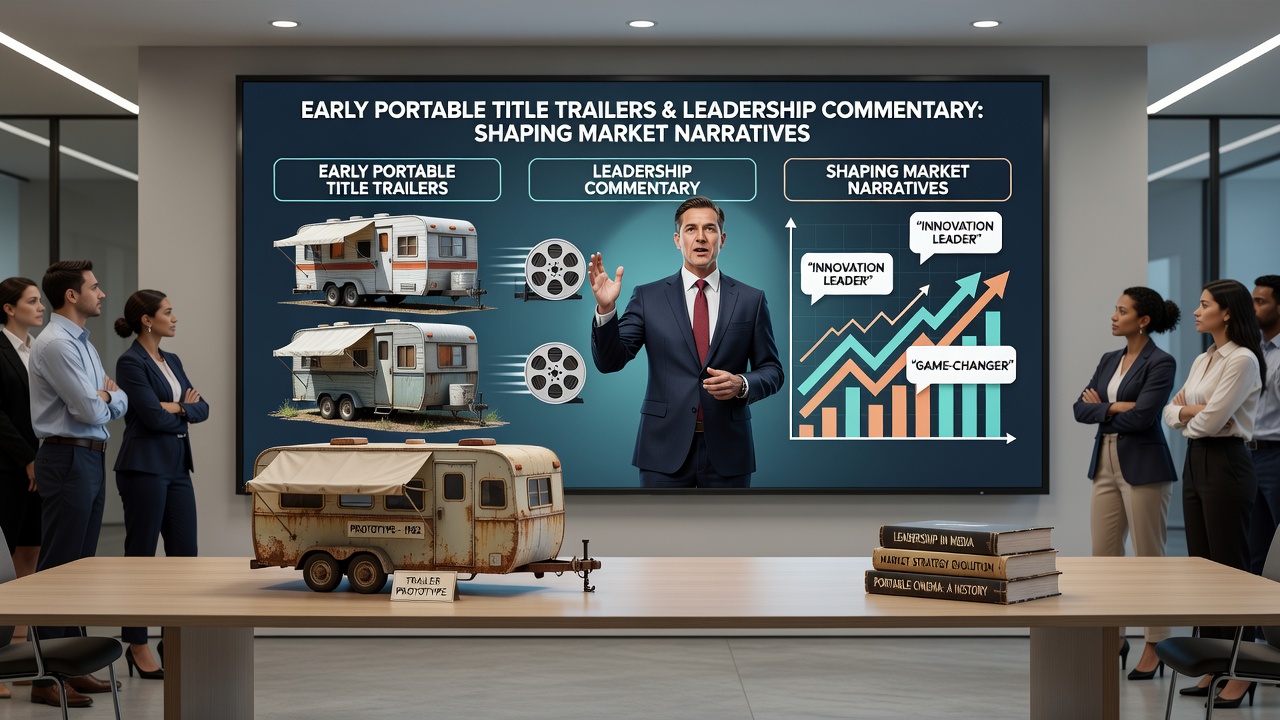
Marketing teams at the time leveraged this intersection by timing additional clips to respond to unfolding commentary cycles, and metrics collected by analytics firms showed spikes in search interest for both hardware terms and specific game titles during those windows. Observers tracking social media mentions recorded how phrases originating in leadership remarks migrated into user-generated content that referenced trailer scenes. This feedback loop reinforced certain market narratives while diminishing others that lacked similar paired reinforcement.
Longer-Term Effects on Coverage and Positioning
Retrospective reviews of 2011 coverage patterns reveal that stories built around the combination of trailers and executive input persisted into subsequent quarters, influencing how later hardware revisions and software updates received attention. According to reports from the Entertainment Software Association, portable segment revenue data aligned with periods of heightened narrative activity generated by these paired releases. European Commission digital market reviews from the same timeframe similarly noted how early visual and verbal framing affected consumer expectations across regions.
Academic studies conducted by researchers at institutions in Canada and Australia later examined how such intersections operated across console generations, finding that consistent pairing of footage with leadership commentary produced more durable storylines than either element alone. Those analyses pointed to measurable differences in article sentiment and keyword frequency when both components appeared together.
Current Reflections in July 2026
As of July 2026, digital archives continue to serve as reference material for new examinations of how early portable market stories formed, with analysts comparing those patterns against contemporary trailer and commentary strategies. Industry databases show renewed interest in 2011 materials among researchers studying narrative persistence, and several university projects now incorporate timestamped trailer releases alongside executive transcripts to model information flow. This ongoing work highlights the structural role that coordinated visual and verbal elements played in defining competitive positioning during the handheld transition period.
Conclusion
The documented intersections between early portable title trailers and leadership commentary produced measurable effects on media framing and search behavior during the 2011 handheld cycle. Evidence from platform metrics, press archives, adn subsequent research confirms that paired releases created reinforcing loops that shaped how market narratives developed and endured. These mechanisms remain subjects of study for those examining how hardware launches communicate value through combined channels.