Launch Campaigns That Altered the Course of Portable Gaming Rivalries
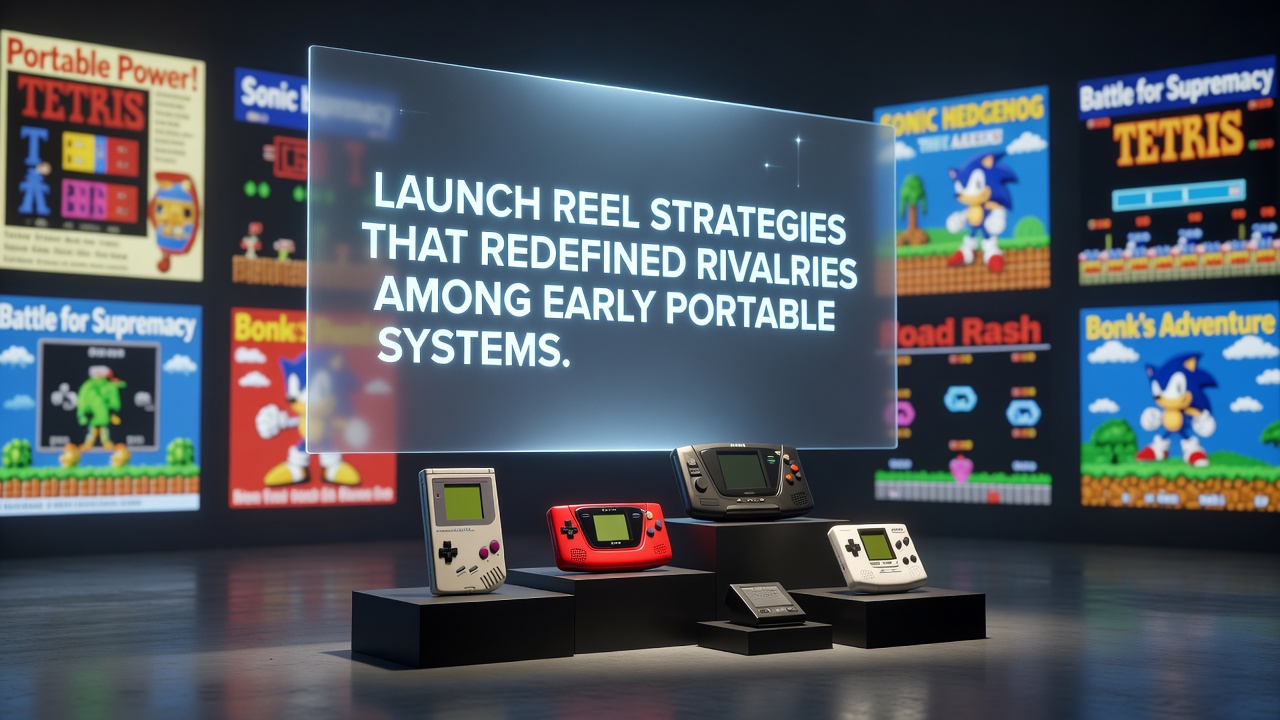
Launch strategies in the portable gaming sector during the late 1980s and early 1990s relied heavily on demonstration reels and targeted marketing campaigns that highlighted hardware capabilities while positioning products against emerging competitors. Nintendo introduced the Game Boy in Japan during April 1989 and followed with North American releases in July of that year, bundling the system with Tetris to emphasize accessible puzzle gameplay over complex graphics. This approach created immediate market traction as retailers reported strong initial sales figures across multiple regions.
Hardware Differentiation Through Visual Demos
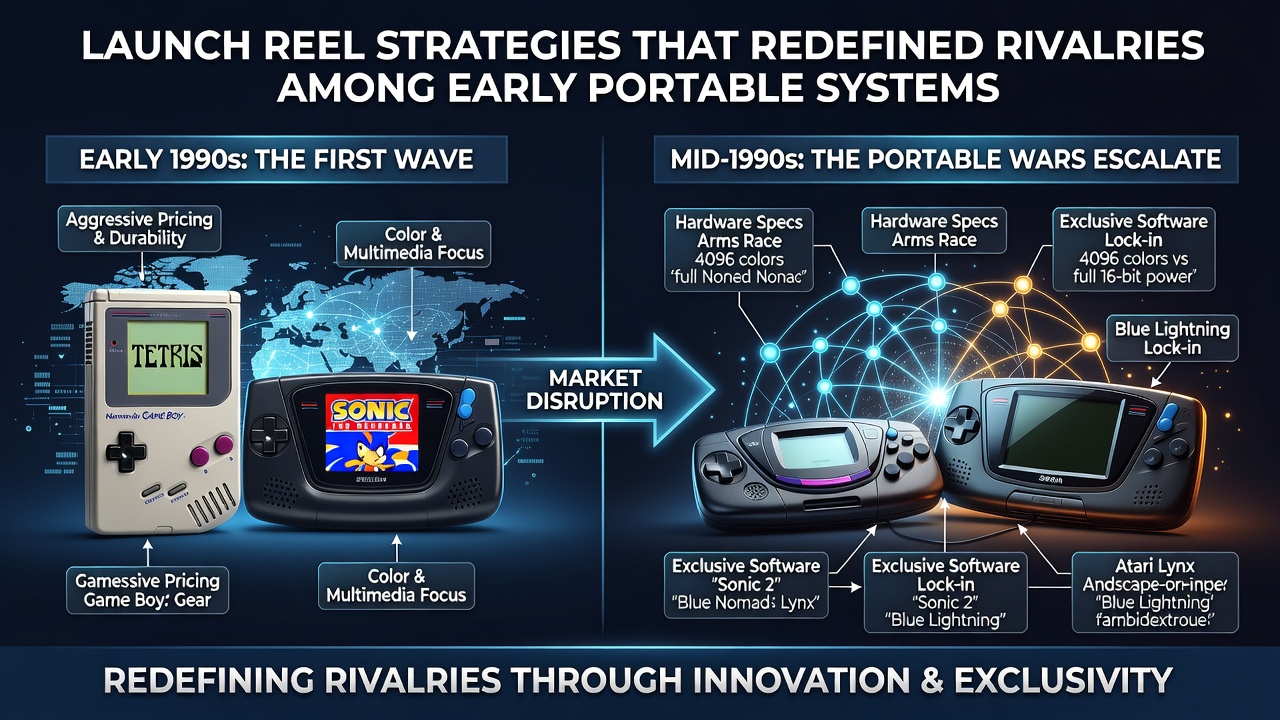
Atari launched the Lynx in September 1989 with a focus on color graphics and backlighting in its promotional materials, a direct contrast to monochrome displays common in rival devices. Sega entered the market with the Game Gear in October 1990, showcasing vibrant color screens in launch videos that appealed to consumers seeking visual upgrades. Observers noted how these demonstration reels allowed companies to communicate technical advantages without requiring in-store hardware comparisons, which proved effective in regions with limited retail presence.
Data from industry reports indicate that color screen emphasis helped Sega capture attention in markets where Nintendo had already established dominance. Those who studied early sales patterns found that demonstration content played a central role in shifting consumer perceptions about what portable systems could deliver beyond basic gameplay mechanics.
Regional Rollouts and Content Partnerships
European markets received staggered releases that aligned with localized marketing strategies. Nintendo coordinated Game Boy availability across several countries in 1990 while securing exclusive content deals that appeared in launch materials distributed through European retailers. Sega responded by highlighting Game Gear's compatibility with Master System titles in regional promotional reels, a move that leveraged existing software libraries to reduce development costs and accelerate availability.
Research from academic studies on consumer electronics adoption shows that such partnerships reduced barriers for new entrants by connecting unfamiliar hardware with recognizable game experiences. Figures from trade analyses reveal that bundled software strategies contributed to higher attach rates during the first year of availability for multiple systems.
Marketing Narratives and Competitive Positioning
Launch materials often framed technical specifications as direct responses to competitor offerings. Atari's promotional content stressed the Lynx's ability to support multiplayer sessions through link cables, a feature promoted in demonstration footage shared at trade events. Nintendo maintained focus on battery life and portability in its campaigns, countering claims about color advantages by underscoring practical daily use scenarios.
What's interesting is how these narratives evolved as new systems entered the space. Sega adjusted Game Gear messaging in subsequent years to include television connectivity options, expanding the device's positioning beyond standalone handheld use. Industry organizations tracking hardware shipments documented how such incremental feature highlights influenced retailer inventory decisions during peak holiday periods.
Long-Term Effects on Market Structure
Patterns in archival sales data demonstrate that early launch approaches established templates for future handheld competitions. Systems emphasizing software ecosystems over raw hardware specifications tended to sustain longer market presence according to multiple analyses. Those who've examined distribution records note that demonstration reel distribution through magazines and early video networks extended reach into households that lacked direct access to specialty stores.
By June 2026, retrospective examinations of these strategies continue to inform discussions at gaming industry conferences where participants review historical positioning tactics. Evidence suggests that companies which integrated third-party developer support into launch planning achieved broader software variety during initial market windows.
Conclusion
Launch reel strategies from the first generation of portable systems established foundational methods for communicating value in a competitive landscape. Hardware demonstrations, regional content partnerships, and narrative framing around specific features shaped how manufacturers responded to one another and how consumers evaluated options. These approaches created lasting effects on industry practices that extended well beyond the initial product cycles.