Tracing Portable Gaming Shifts: 2011 Demonstrations and Corporate Declarations
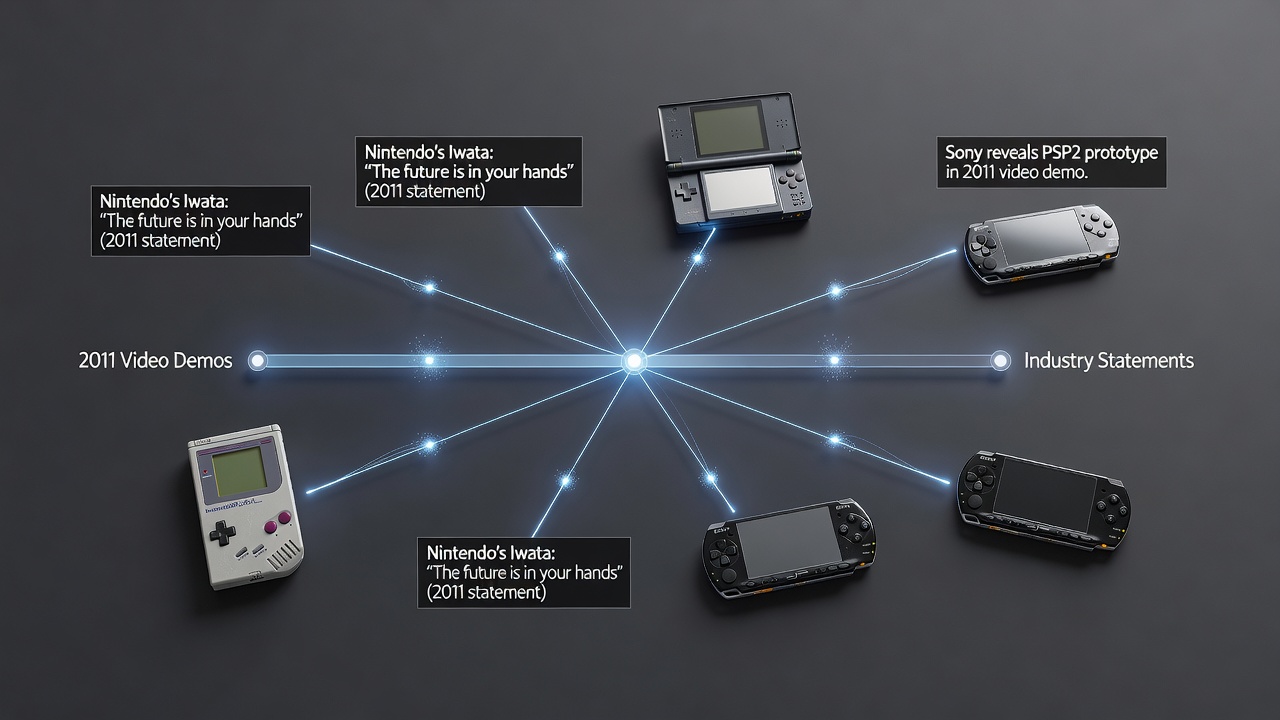
Observers note that 2011 marked a pivotal period in handheld console development where video demonstrations and executive statements began revealing strategic positioning among major players. Nintendo prepared the 3DS launch while Sony advanced plans for the PlayStation Vita, with footage and comments circulating through industry channels that highlighted hardware capabilities and software lineups.
Early 2011 Demonstrations and Market Context
Data from that year shows Nintendo releasing multiple 3DS trailers that emphasized stereoscopic 3D visuals and augmented reality features through bundled applications. These clips demonstrated gameplay on the dual-screen format with motion controls integrated into titles like pilotwings resort. Meanwhile Sony showcased Vita prototypes at events, focusing on touch interfaces and dual analog sticks that differentiated the device from prior portable offerings. Industry statements from company representatives outlined production timelines and backward compatibility options that addressed consumer expectations built from previous generations.
Video Evidence of Hardware Differentiation
Footage released in spring 2011 illustrated Vita's OLED screen performance under various lighting conditions compared to LCD alternatives common in earlier models. Developers presented real-time rendering examples in action sequences that showcased higher polygon counts and frame rates than those achieved on Nintendo DS successors. Corporate announcements confirmed cross-platform functionality with PlayStation 3 titles, allowing shared trophies and online features that extended ecosystem integration beyond standalone handheld play.
Researchers have documented how these demonstrations aligned with broader market data indicating rising demand for multimedia portable devices. Statements from Sony executives referenced partnerships with media companies to preload entertainment applications, positioning the Vita as more than a gaming machine while Nintendo emphasized exclusive software ecosystems through 3DS announcements.
Industry Statements Shaping Competitive Narratives
Executive comments throughout mid-2011 referenced sales projections and feature priorities that connected directly to the visual materials distributed at trade shows. One series of declarations highlighted processing power advantages that matched the technical specifications shown in gameplay reels. These statements appeared alongside release schedules for launch titles, creating timelines that analysts later mapped against competitor roadmaps. According to reports from the Entertainment Software Association, portable gaming revenue streams expanded notably during this window as new hardware introductions generated consumer interest.
European Games Developer Federation materials from the period detail developer feedback on cross-generation tools that supported both 3DS and Vita development pipelines. Such documentation reveals coordinated efforts to address fragmentation in the portable space through standardized middleware solutions referenced in official briefings.
Connecting Demonstrations to Broader Console History
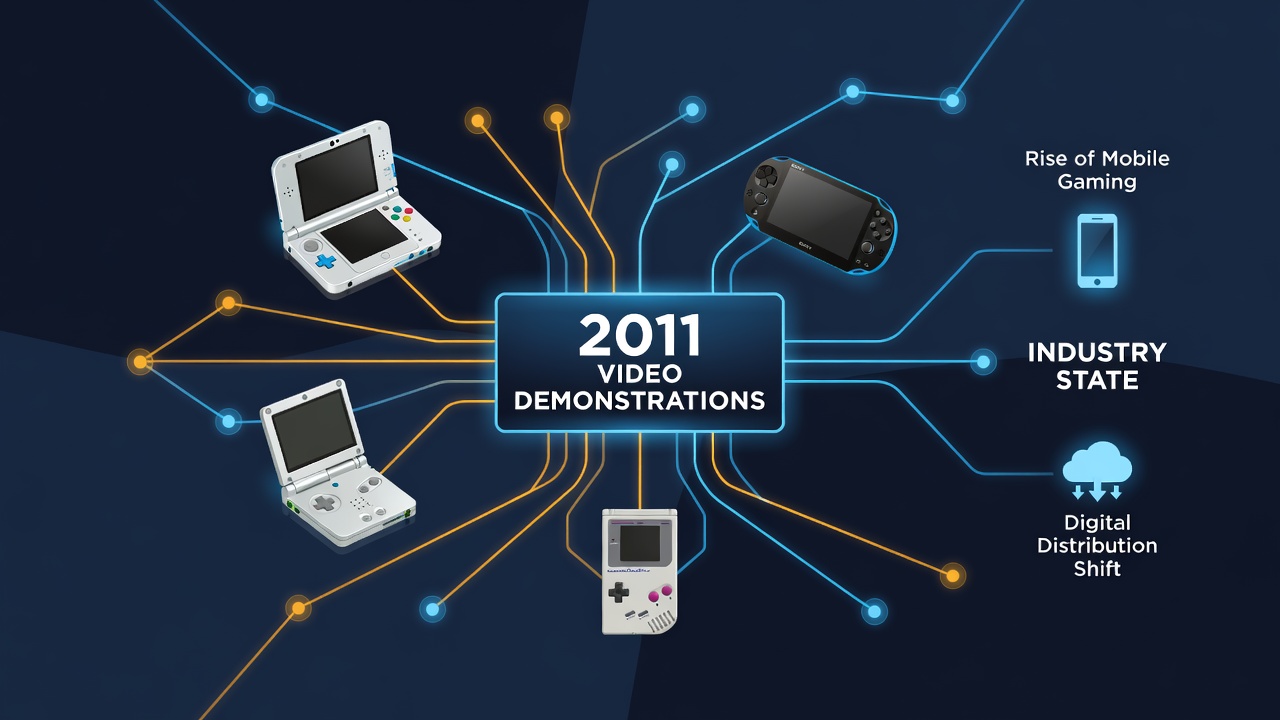
Patterns emerge when reviewing sequences of video releases against contemporaneous press releases. Early Vita gameplay segments featuring real-time strategy elements appeared shortly after statements regarding memory architecture improvements, suggesting deliberate synchronization between technical reveals and visual proof points. Nintendo's 3DS footage similarly followed announcements about extended battery performance metrics, linking hardware claims to observable runtime demonstrations in captured sessions.
Academic analyses from institutions such as the University of Alberta's gaming studies program have examined these alignments as examples of coordinated market signaling. Figures from that research indicate that synchronized video and statement campaigns correlated with pre-order activity spikes tracked through retail channels in multiple regions. Connections extend further when considering how 2011 materials referenced design evolutions from the Nintendo DS and PlayStation Portable eras, establishing continuity in control schemes and media formats.
As of June 2026 archival reviews continue to highlight these linkages through preserved digital records available via industry databases. Observers note that such resources allow mapping of announcement cycles against actual feature deliveries across subsequent hardware iterations. Trade group summaries from Canadian and Australian gaming associations provide additional regional perspectives on how 2011 positioning influenced localized distribution strategies documented in annual reports.
Longer-Term Implications from 2011 Materials
Evidence compiled from contemporaneous sources demonstrates that video demonstrations served as primary vehicles for conveying technical advancements when paired with executive clarifications on pricing structures and bundle options. These combinations informed consumer understanding of value propositions across competing platforms. Later reflections in industry literature reference 2011 as a benchmark period where visual and verbal communications converged to accelerate adoption curves in the portable segment.
Conclusion
Records from 2011 illustrate clear intersections between video demonstrations and industry statements that outlined competitive trajectories in handheld consoles. These elements together form documented pathways through which market positioning unfolded, supported by data from trade organizations and academic inquiries spanning multiple continents. Continued examination of preserved materials offers structured insights into how such communications shaped portable gaming developments in subsequent years.